
Do you feel it too? The days are getting longer, the light is changing, and the garden is slowly starting to wake up. February is a pivotal month: still wintery, but already turning towards spring. It’s the strategic moment to intervene with precision.
Here’s how we structure the work in the garden in February, as we do on our professional sites.
🌱 Vegetable garden & orchard: anticipate without rushing
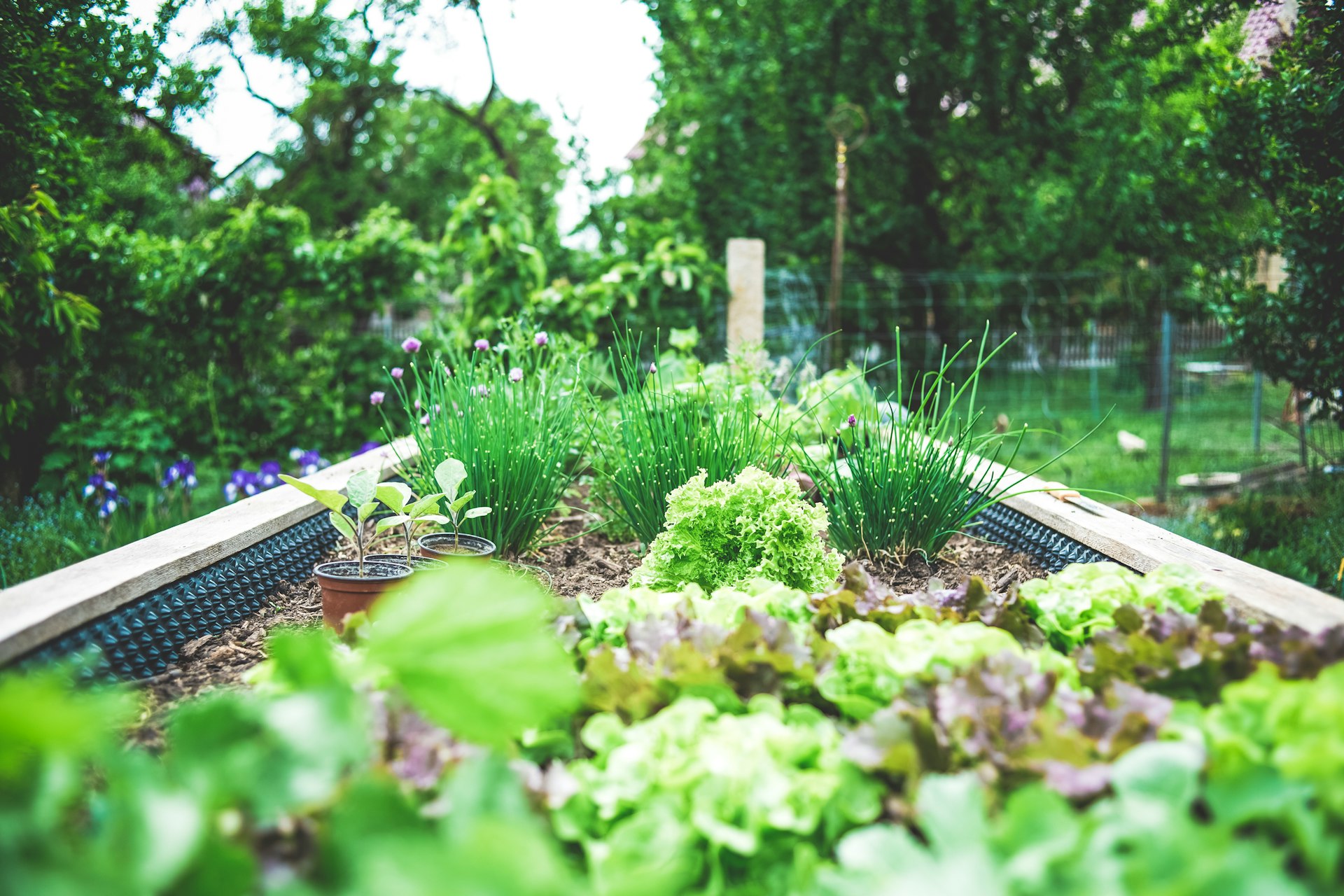
February is the month of foundations.
Sowing under cover
We start thesowing under coverfor the vegetables that take time:
Tomatoes
Aubergines
Chillies
Peppers
Greenhouse, cold frame, bright frost-free room: the key is the consistency of temperature and light.
Planting in open ground (outside of frost periods)
If the soil is neither frozen nor waterlogged:
Early potatoes
Garlic
Shallots
We prefer well-drained and loosened soil. If your soil is heavy, it’s better to wait a few weeks.
Pruning fruit trees
It’s still a good time to:
Prune apple and pear trees
Thin out gooseberries
Clean strawberry plants (removal of damaged leaves)
Pruning always aims for the same objective: to aerate the structure, promote light, and stimulate fruiting.
🌿 Ornamental gardens: structure before the recovery
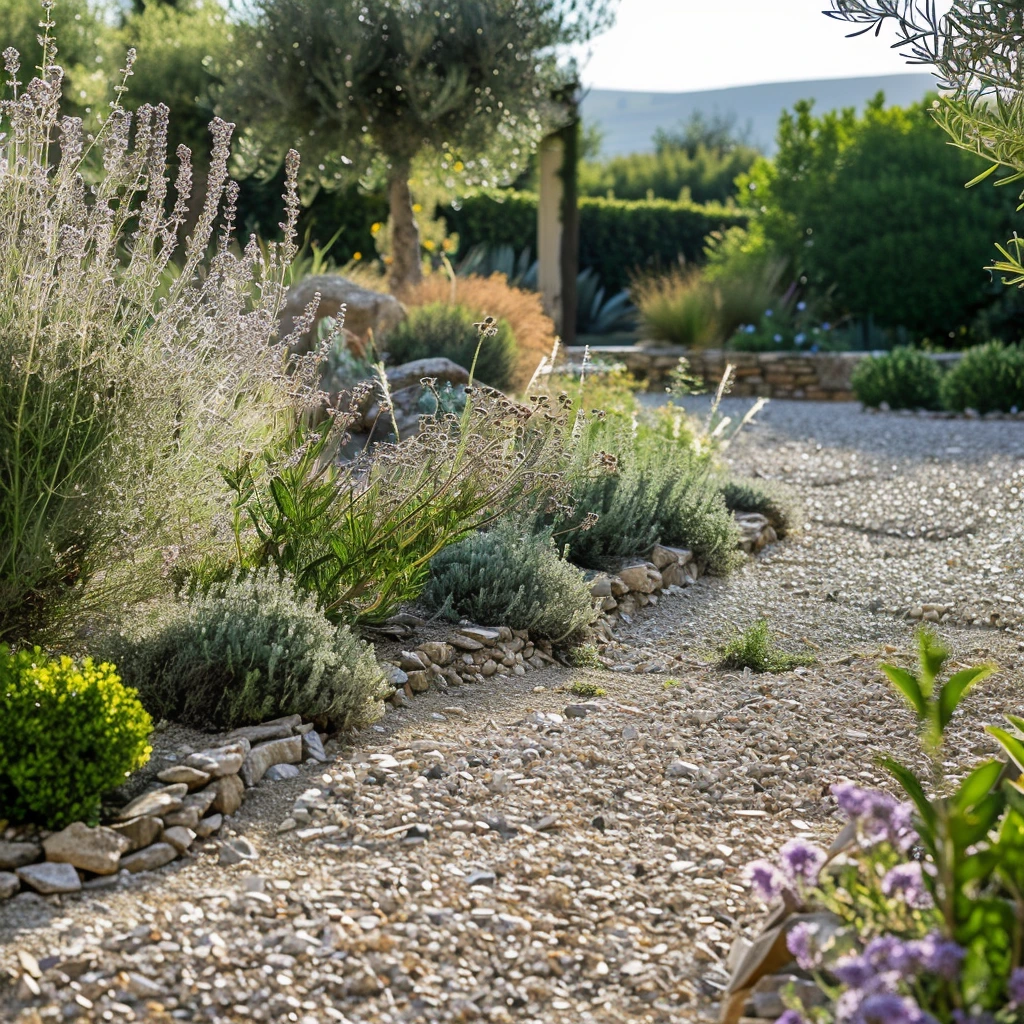
The ornamental garden is now being prepared methodically.
Prune wisely
In February, we intervene on:
Roses (training and rejuvenation pruning)
Mimosas (after flowering depending on the climate)
Some jasmines
Summer-flowering shrubs
We remove dead, weak, or poorly oriented branches.
Grasses: act at the right time
Grasses should be cutbefore the vegetative restart.
A professional tip: check the base of the clump.
If new shoots are already emerging, action must be taken immediately.
A clean cut at 10–15 cm from the ground is sufficient.

Bare root planting
February remains ideal for planting:
Trees
Shrubs
Roses
Provided that frost periods are avoided. Bare root planting encourages deep and lasting rooting.
Soil & general maintenance: invest in fertility

A productive gardenalways starts with the soil.
Enrich the soil
Now is the time to add:
Mature compost
Well-decomposed manure
Organic amendments
We avoid turning the soil over roughly: we feed the surface, we let the life of the soil work.
Prepare your tools (before the spring rush)
Every year, it’s the same thing: everyone wants to mow in March.
Get ahead:
Check the mower (battery or engine)
Sharpen secateurs and hedge trimmers
Clean and disinfect cutting tools
Check the watering system (leaks, connections, programming)
Ready equipment means a peaceful spring.
Infrastructure & biodiversity: think about the overall framework
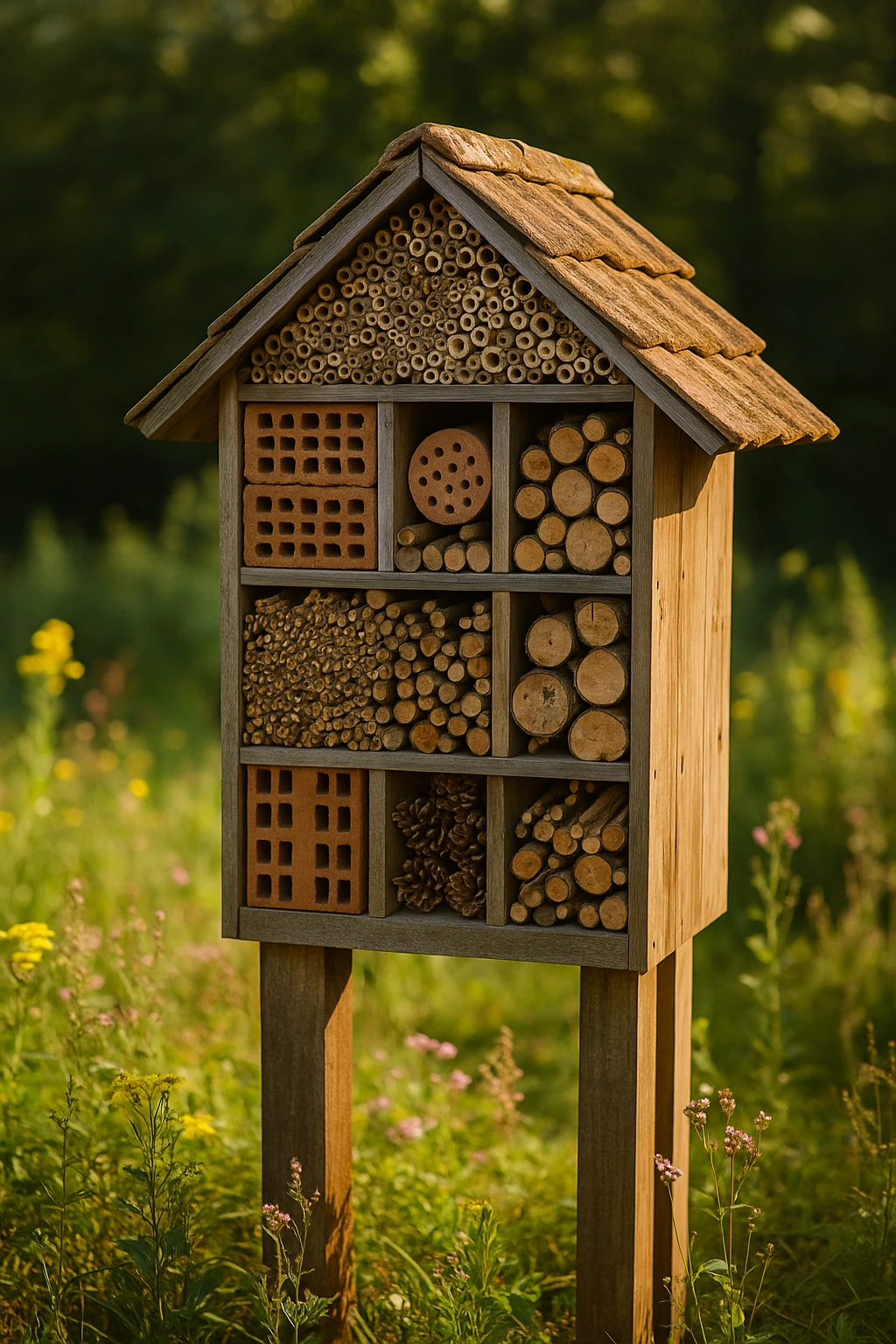
The garden doesn’t stop at planting.
Clean and secure
Check and clean the gutters
Check the downpipes
Observe the fences and wooden structures
Nesting boxes and wildlife
February is the ideal time to:
Clean the nesting boxes before nesting
Install new bird shelters
Check the insect hotels
We act before the species become active again.
Other professional tasks not to forget
In our practice, February is also the time to:
Lightly scarify certain lawns if the soil is dry
Re-establish the neat edges of the flower beds
Divide some perennials that are still dormant
Check the drainage systems
Plan new developments before the peak season
It is a strategic month to reflect, correct and structure.
February: the month of precision
A well-prepared garden in February requires fewer heavy interventions in April and May.
Now is the time to lay the foundations:
Structure
Fertility
Anticipation
Organisation
Do you want a professional and structured maintenance of your garden before spring?
Our teams work methodically to sustainably prepare your outdoor spaces.
Spring is prepared today.