
March changes everything.
The light intensifies, the soils gradually warm up in Belgium, northern France and southern Netherlands, but the risk of night frost remains very real.
Ingarden maintenance in March, the classic mistake is to rush.
Our approach is different: we restart, but methodically.
What naturally appears in March
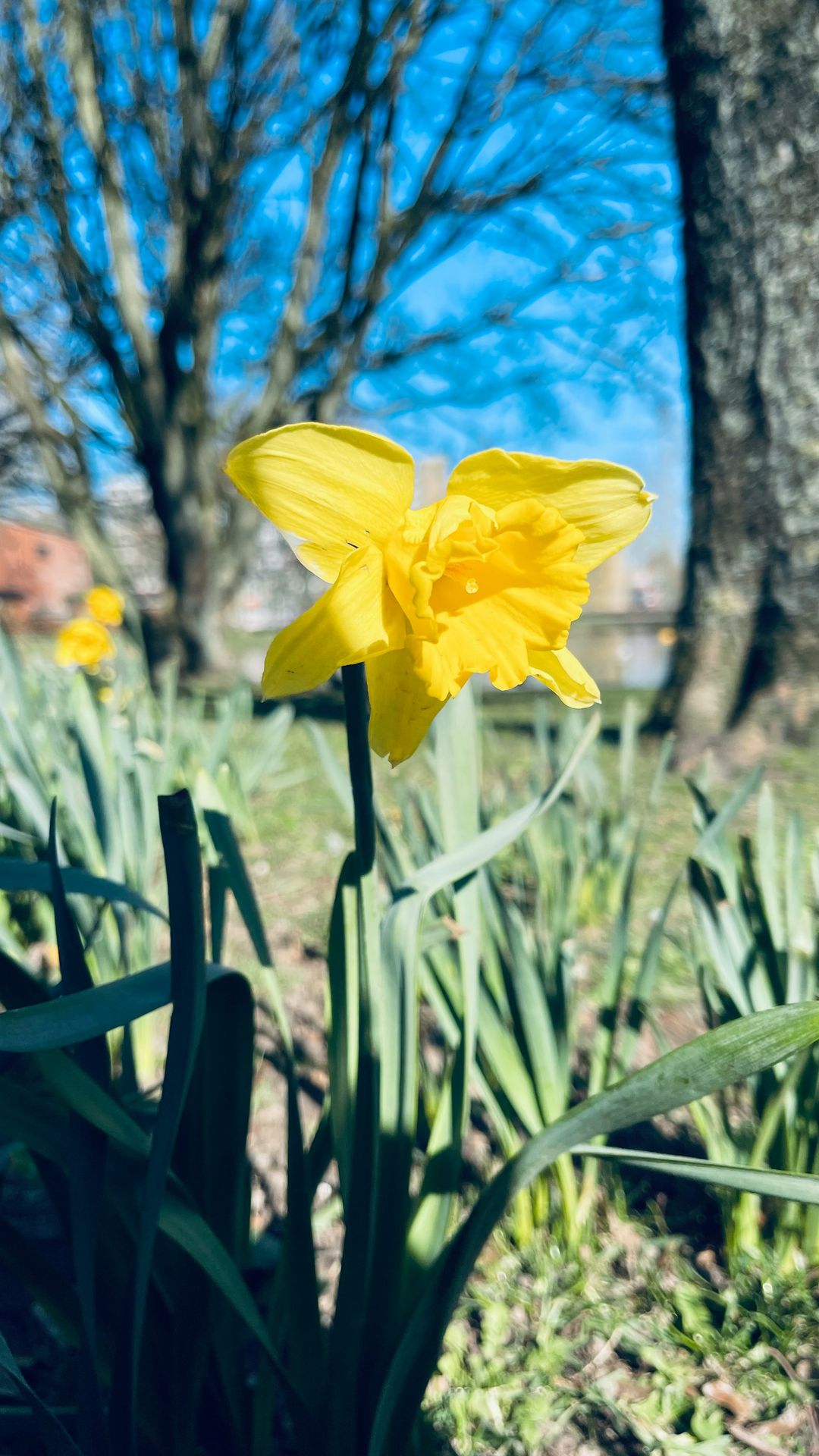
Before intervening, we observe.
In Belgium, March sees the emergence of:
Galanthus (snowdrop)still at the end of flowering
Crocus
Eranthis hyemalis (winter aconite)
Helleborusin full bloom
Early Narcissus
Scilla sibirica
The first buds ofForsythia
The catkins ofCorylus avellana(hazel)
Professional advice:
Never mow an area where naturalised bulbs are still in leaf. The foliage must yellow naturally to restore reserves.
Lawn: controlled recovery
Ingarden maintenance in March, the lawn is a priority.
1️⃣ First mowing (if necessary)
Wait for the soil to dry out
High cutting height (6-7 cm)
Perfectly sharpened blade
If the soil is still waterlogged, postpone. Mowing on wet soil compacts the earth significantly.
2️⃣ Light scarification
Only if:
The temperature regularly exceeds 8–10°C
The lawn shows significant thatch
Otherwise, it's better to wait until April.
3️⃣ Reseeding
Bald areas:
Lightly rake
Apply seeds suitable for the Belgian climate
Lightly roll
Keep moist
Shrubs & hedges: intervene at the right time
March marks the end of winter pruning for many plants.
To do:
Prune therepeat-flowering roses(if not done)
Cut back theBuddleja(butterfly bush)
Prune theHydrangea paniculata
Clean thedecorative wood Cornus
To avoid:
Do not prune spring-flowering shrubs that are already in bud (Forsythia, Prunus, Magnolia).
Prune after flowering, not before.
Perennials & borders
In March, perennials start to grow strongly again.
Clean up forgotten dry remains
Divide clumps ofHosta, Perennial Geraniums, Asterif the soil is workable
Apply sifted compost to the surface
Ground advice:
Avoid walking on the still waterlogged areas. Spring compaction is a common problem in Belgium.
Vegetable garden: actual start-up
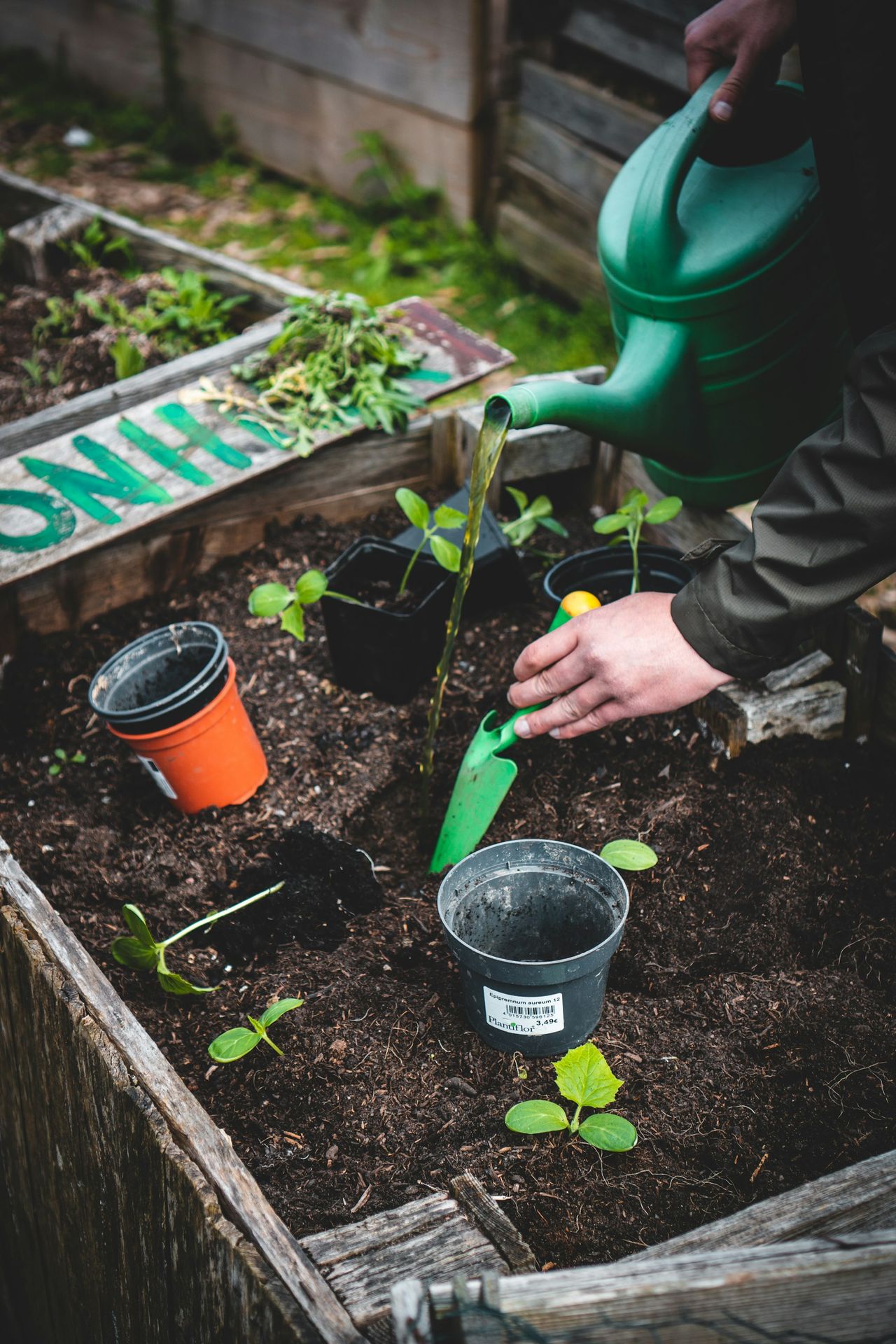
Unlike February, March allows for direct sowing.
In open ground (if the soil is dry)
Peas
Broad beans
Early carrots
Spinach
Radishes
Under cover
Lettuce
Early cabbages
Beware of slugs: March marks their return. Set up barriers or monitor daily.
🌳 Trees: health vigilance
March is strategic for:
Observing cankers and dead wood
Possibly apply a preventive copper treatment to fruit trees (before full bud burst, depending on weather conditions)
Check the stakes
In case of late frost forecast:
Protect young plantings
Avoid any severe pruning just before a cold spell
💧 Drainage & moisture
In Belgium, March is often wet.
We systematically check:
Water accumulation areas
Proper drainage of downpipes
Sunken edges
It is also a good time to correct a slight slope defect before the growing season.
🐦 Biodiversity
March is the beginning of nesting.
From mid-March:
Avoid heavy hedge trimming
Respect the existing wildlife
Install shallow water troughs if the weather becomes dry.
See article:Biodiversity in the garden: 10 simple ideas to welcome life into your garden
⚠️ Specific risks in March
Late frosts
Soils still saturated
Early aphid attacks on young shoots
Fungal diseases favoured by humidity
In garden maintenance in March, anticipation is more important than massive intervention.
March: restart without being harsh
The garden is coming out of winter, but it remains fragile.
Asuccessful garden maintenance in Marchdepends on:
Observation
Precise timing
Gradual interventions
Respect for the plant's rhythm
Our teams intervene in March to restart gardens in a structured way, without compromising the upcoming season.
Spring begins here — but it is built methodically.